Alex Hayes

03.1Local Historian

[03.1]  Appendix

Local Historian

A civic AI platform that turns public meeting recordings and oral histories into searchable town portals.

  1. 03.1aThe film
  2. 03.1bThe site

I made this film for the Local Historian home page. The pictures are generated, not filmed: I assembled it from seventeen generated clips, through a lot of trial and error and editing.

On the site, scrolling moves the film, and the copy appears over it at set points. At seven of them the film holds still while the copy is read. Below, it runs as it does there, with the site’s own copy and timing.

938 frames  ·  8 frames a second  ·  one video, 13.6 MB on a desktop, 8.0 MB on a phone

03.1a  The film

The home page, as it runs.

Skip the film

localhistorian.ai, home page

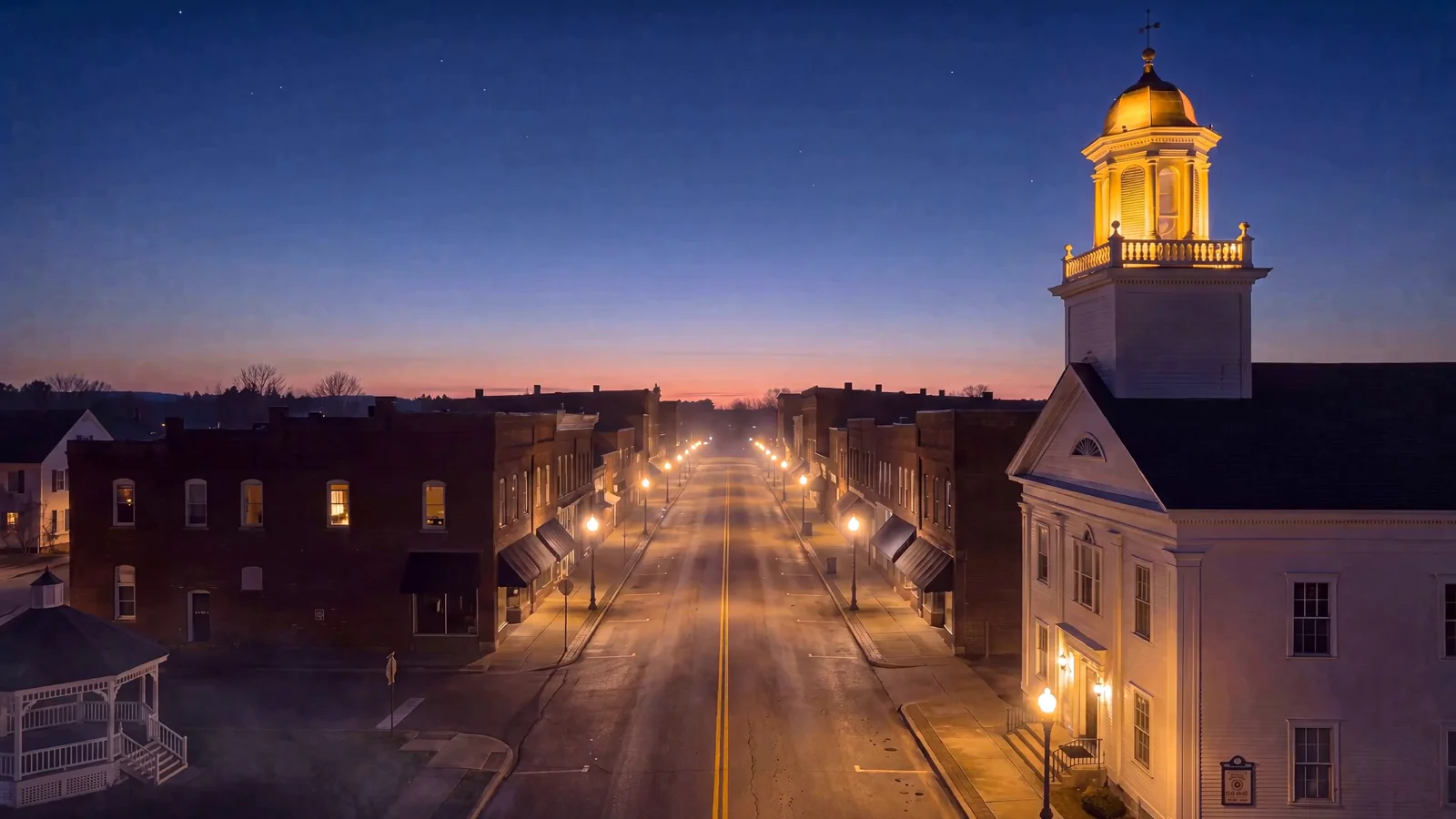
Film still: a small town from the air at dusk.
Openingframes 0001–0048

localhistorian.ai

LOCAL HISTORIAN

THE SYSTEM OF ACCESS FOR AMERICAN TOWNS

Local Historian

The System of Access for Your Town's Public Record

Meetings, minutes, local laws, and oral histories — searchable, citable, and answerable in one place. We don't replace the systems your town already pays for. We make them legible to the public.

Film still: a main street of brick shops in fog.
Who it helpsframes 0049–0151

Who It Helps

Who Local Historian Helps

Local Historian serves everyone who touches the public record — the staff who keep it, the residents who need it, the institutions that preserve it, and the students who learn from it.

Town Staff

Clerks, FOIL officers, administrators, communications

  • Answer FOIL/FOIA requests in minutes, not hours. Find every mention of a topic and share direct timestamp links instead of whole videos.
  • Stop hunting for timestamps. Ask the assistant what was said about an issue and jump straight to that moment in the meeting.
  • Auto-generate clear summaries for council and public updates. Use AI to draft neutral recaps and talking points.

⏱️ Common workflows go from hours of review down to minutes — and every self-served answer is a records request that never gets filed.

Residents & Community

Parents, homeowners, journalists, community groups

  • Ask plain-language questions about town decisions. "Why did they change parking rules on Main Street?"
  • Jump to the exact part of the meeting where it was discussed. No more scrubbing through 2–3 hours of video.
  • Understand how decisions impact daily life. Clear, non-technical explanations tied to the official record.

Libraries & Historical Societies

Directors, archivists, volunteers

  • Turn fragile media into a searchable public archive. Digitize tapes, DVDs, and old recordings, then layer AI search on top.
  • Make oral histories discoverable. Patrons can ask questions and jump to specific moments in interviews.
  • Ride the anniversary wave. America250 and state commemoration programs are funding local memory projects through 2033 — a modern digital front door makes your collection the centerpiece.

Schools & Students

Teachers, students, curriculum leads

  • Bring local civics into the classroom. Use real council meetings as material for discussion and assignments.
  • Generate question prompts and lesson ideas from actual town decisions. Turn meetings into case studies students can question and analyze.
  • Connect history to place. Pair heritage interviews with modern-day meetings to show continuity over time.
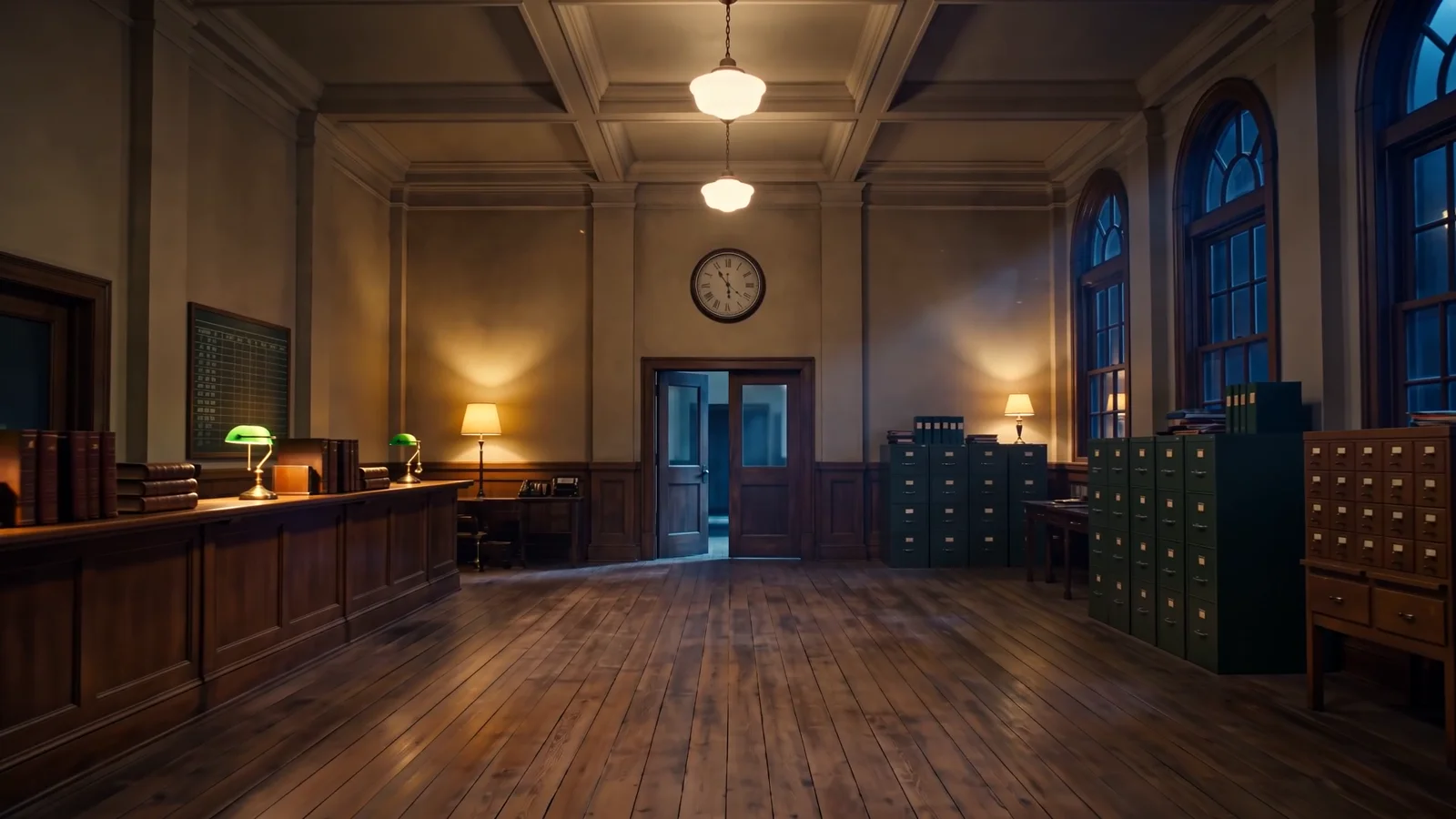
Film still: a lamplit records room in a town hall.
What it savesframes 0152–0258

What It Saves

What Local Historian Saves

Access isn't a luxury line item — it pays for itself in staff hours, avoided friction, and grant dollars. The measurable outcomes:

FOIL/FOIA responses

hours → minutes

Meeting recap preparation

1–2 days → instant

Finding past decisions

15–30 minutes → 1–5 seconds

Cost Savings

  • Reduced dependency on transcription services
  • Lower external fees for meeting minutes
  • Less overtime for clerical staff
  • Project costs are often grant-eligible — records-improvement and heritage funds exist for exactly this work

Risk Reduction

  • Fewer missed or delayed FOIL responses
  • Clear audit trails for public information
  • Timestamped links reduce misinterpretation
  • Lower exposure to disputes over record accuracy

Community Impact

  • Fewer angry emails
  • Fewer misunderstandings
  • Less staff time spent clarifying decisions
  • More informed, trusting resident interactions

Based on typical municipal workflows.

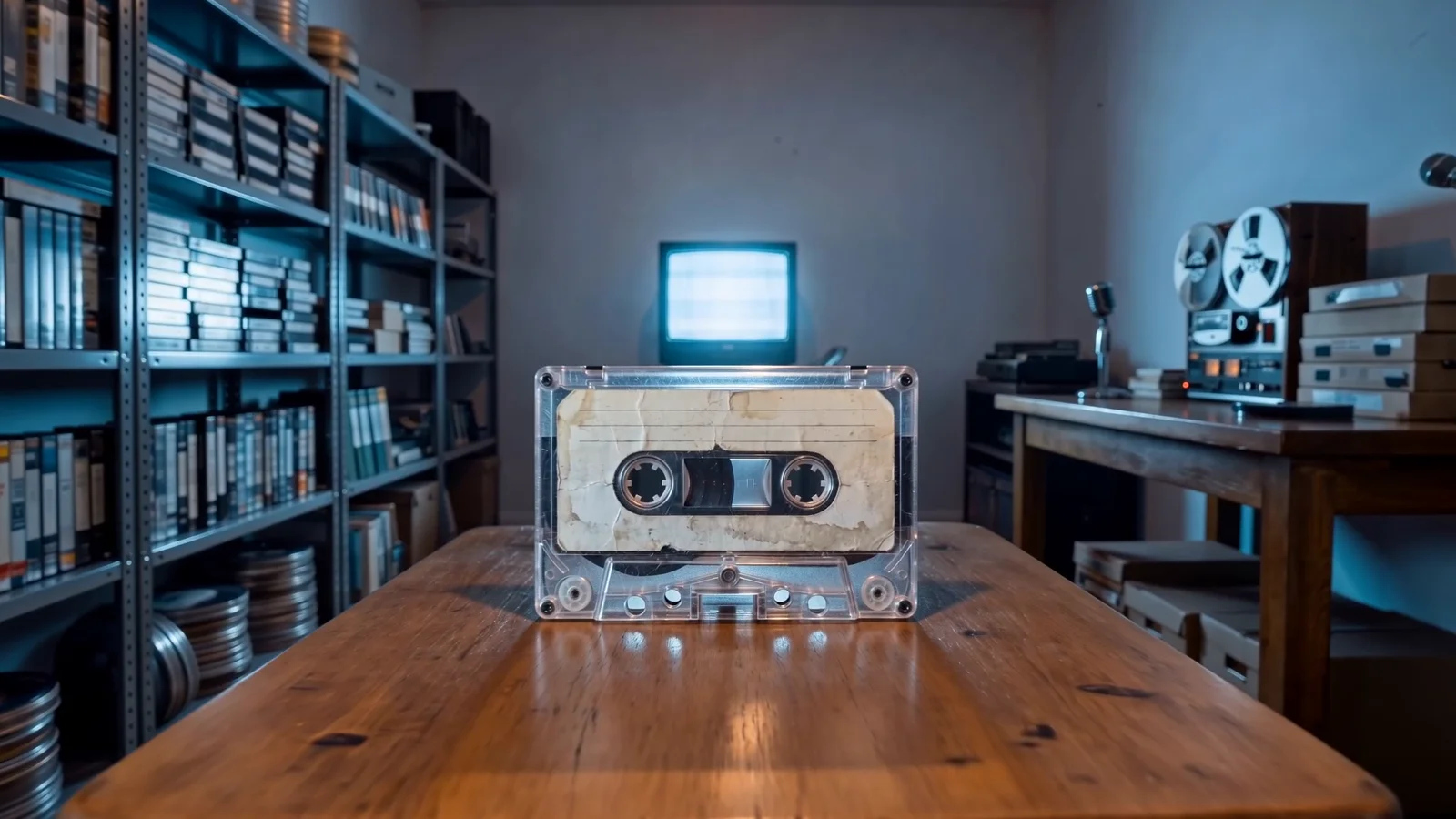
Film still: a worn cassette on an archive table.
Hosting is not accessframes 0259–0497

Hosting Is Not Access

Your record already exists — streamed, archived, filed. But it lives in five systems from four vendors, and the resident's path between them is nobody's product. We measure access on four pillars:

Discoverability

Can a resident who starts at the homepage actually reach the record?

Usability

Once reached, can it be read, searched, and cited — minutes, video, and the code itself — or is it scanned images and one-section-at-a-time click-throughs?

Accessibility

Does the record work for residents who rely on captions and transcripts?

Continuity

Is the record whole — or does it start when the last vendor contract did?

These four pillars are exactly what our free Public Access Report Card measures.

Access, Funded

How Towns Fund It

01Run the Free Report Card

Sixty seconds, public data. Four pillar grades, free fixes your webmaster can make this week, and the documented gaps a funding application needs.

02Find the Funding Path

Records-access work is fundable — through state records-improvement funds, heritage and preservation programs, and commemoration initiatives. In New York, awards run up to $75,000 per project; other states have their own rails. The card's findings are the application's evidence, and we help you scope a fundable project.

03Launch the Access Layer

We digitize, restore, transcribe, and connect your record — meetings, minutes, laws, histories — into one searchable public portal. Then we re-run the card, and your town keeps the receipt.

Funding availability and eligibility vary by state and program; awards are competitive and applications are made by the municipality or institution. Local Memory LLC is not affiliated with any state archives or funding agency.

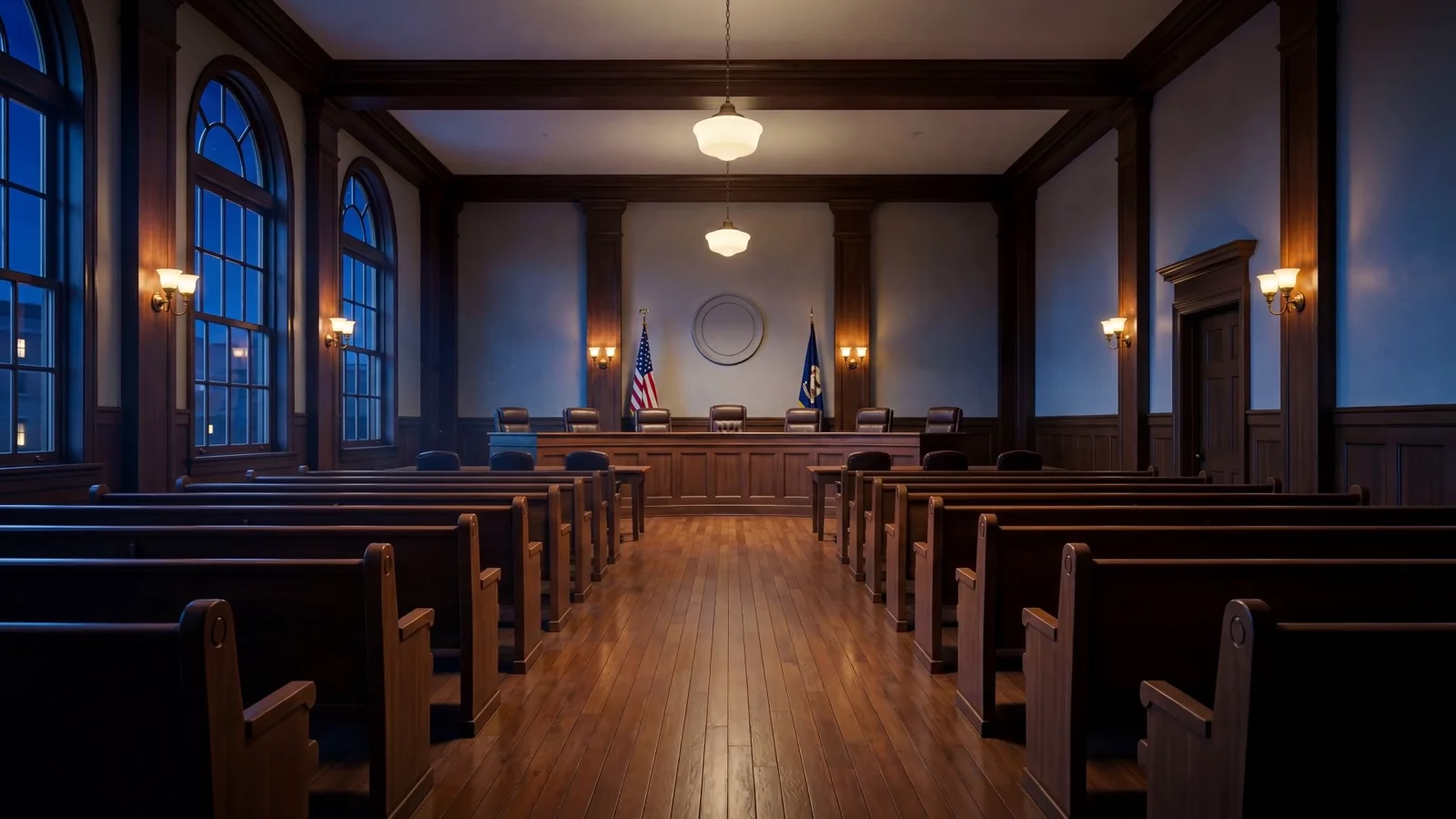
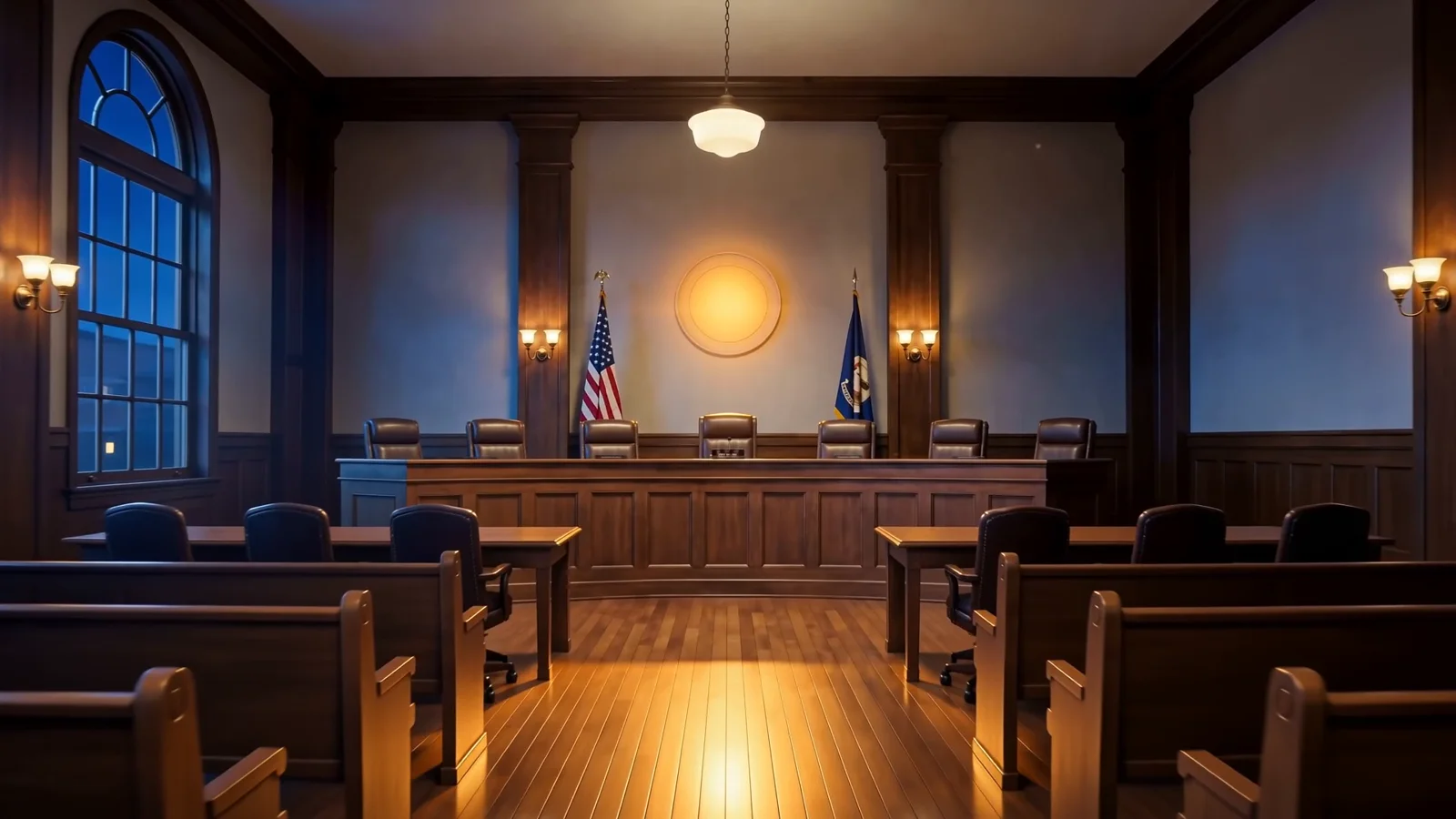
Film still: an empty council chamber in pale light.
See it in actionframes 0498–0550

Live Demo

See It In Action

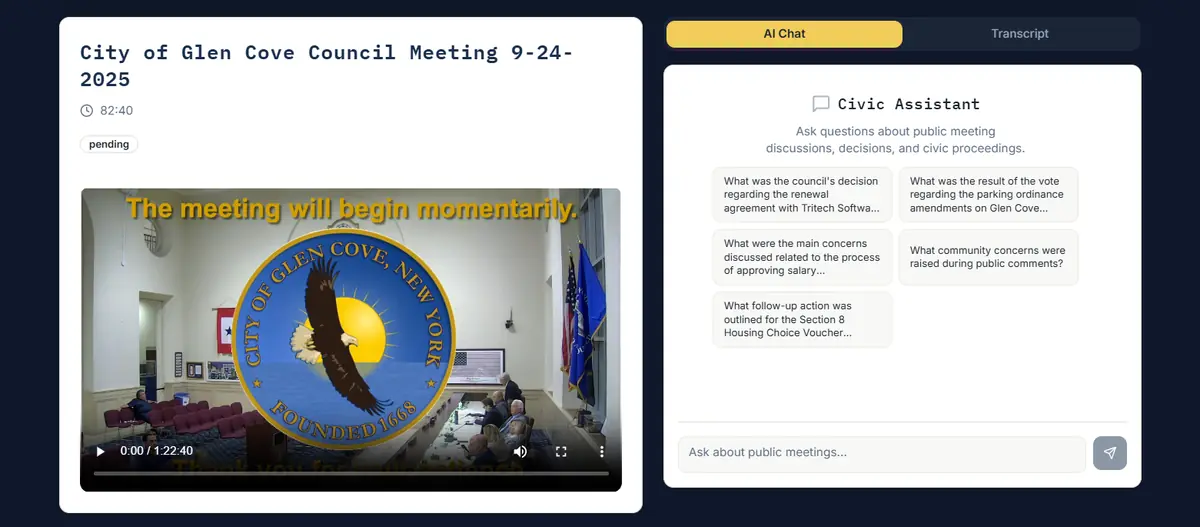
Glen Cove, NY is the first town with a live Civic Portal. Search public meetings, ask questions in plain language, and watch every answer cite its exact moment in the record.

Live Demo

Glen Cove, New York

A working system of access: searchable public meetings, AI-assisted Q&A with timestamped citations, and heritage oral histories from the leaders who lived the decisions.

175 Meetings 500+ Hours AI-Powered Search

The Glen Cove Civic Portal: a council meeting video on the left, an AI chat panel with suggested questions on the right.
Film still: a lamplit library with ribbons of golden light rising from the shelves.
Heritage layerframes 0551–0663
"This town has a story worth telling. We're just helping people hear it."

Heritage Layer

The Town's Memory Is Part of the Record

Oral histories and interviews are not a separate product — they're the human half of the public record. Mayors, council members, and longtime residents, restored from aging tape and made searchable beside the meetings they once led.

Heritage content layers into the same portal, so a resident can travel from a 2026 vote to a 1974 voice in two clicks.

Mayor InterviewsLeadership stories
Community LeadersVoices of change
Local HistoriansKeepers of memory
Living MemoryFirsthand accounts
Film still: a workshop bench under an arched window, with a reel-to-reel deck and a waveform on a monitor.
Our servicesframes 0664–0765

Our Services

One pipeline, three doors — measured, funded, and delivered as a single system of access. Start with your town's free Report Card →

Public Access Report Card

Free. Sixty seconds. Four pillar grades on how findable, usable, accessible, and complete your public record is — with fixes and the funding path attached.

Civic Portal

The access layer for the town's business: meetings, minutes, and the local laws themselves — charter, code, and zoning — searchable and answerable, with every response citing the exact section or the exact moment in the record.

Heritage Portal

The access layer for the town's memory: oral histories and archival AV, restored, transcribed, and explorable by residents, researchers, and students.

For Libraries & Historical Societies

Start where your collection is. We digitize cassettes, VHS, reels, and legacy formats — restoration and transcription included — with a pathway from a preserved collection to a fully searchable public archive. Heritage and commemoration grant programs fund this work; ask us about the funding path for your collection.

Film still: a statue in a park at night under a full moon.
What is Local Historianframes 0766–0810

So What Is Local Historian?

Local Historian is a records-access firm. We take the public record a town already keeps — meeting video, minutes, local laws, oral histories on aging tape — and make it findable, readable, and answerable by the public.

Your vendors are systems of record — where the record is made. Local Historian is the system of access — where your residents actually use it. We don't replace anything; we make what you already pay for legible.

The model started with the Seneca Falls Historical Society: a box of deteriorating oral-history cassettes, digitized, restored, transcribed, and made searchable. Today we measure any town's public access for free, help route state and heritage funding toward closing the gaps, and deliver the layer that makes the record public in practice, not just in principle.

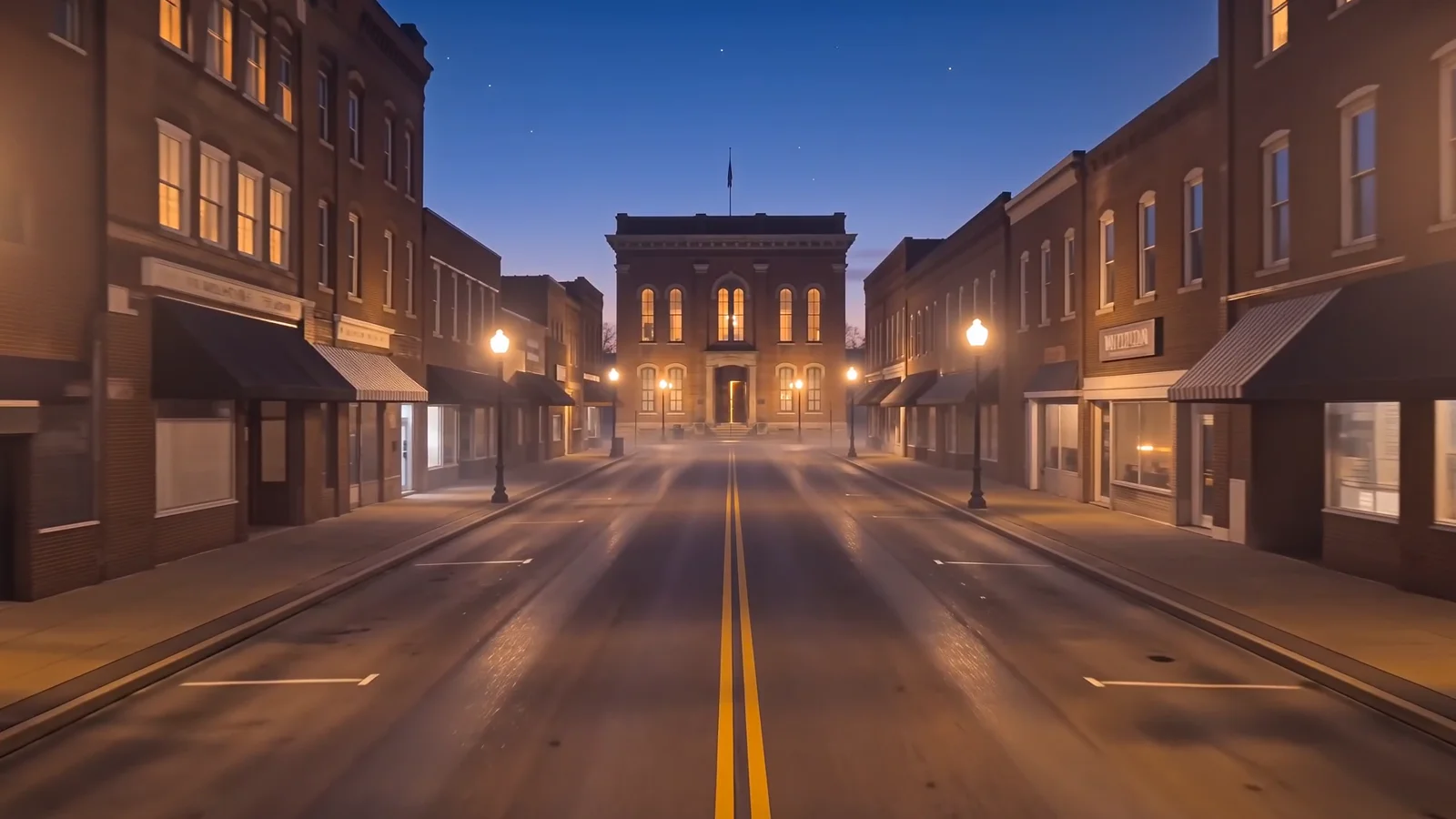
Film still: gold particles over the town, returning to the aerial view.
Get startedframes 0811–0938

Get Started

Tell us about your town or collection — or ask about the funding path. We'll follow up within 2 business days.

Stay Connected

Updates on new town launches, the State of Public Access research, and funding-cycle reminders for records grants.

Local Historian

The system of access for your town's public record

© 2025 Local Memory LLC. Built to strengthen civic transparency, public access, and digital preservation.

03.1b  The site

The site.

Towns record hours of public meetings that nobody can search. Local Historian transcribes them and answers plain questions with the exact moment and the person who said it. It also opens up oral-history interviews for researchers.